
UN Article: Becoming Indigenous
Wrote article for UN Resilience Frontiers

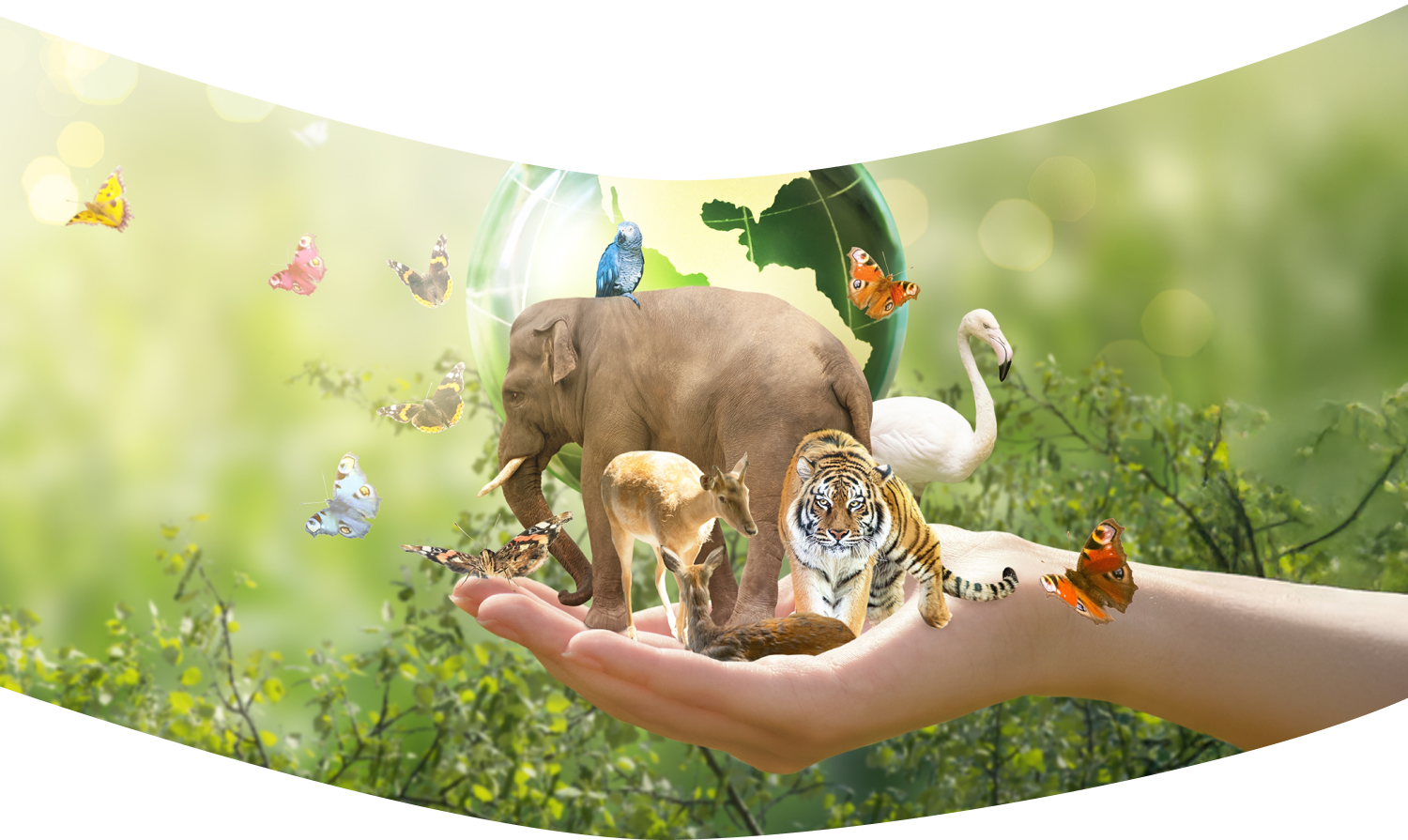
I was invited to write the lead article for the UN Resilience Frontiers online magazine Leap.
To counter the threats to the very future of civilisation, we need to shift from a modern, mechanistic worldview that’s largely exploitative to an earlier one that’s rooted in respect, gratitude and humility, writes Benjamin J. Butler.
Humankind today is faced with a confluence of serious and even existential crises. The only way our response will match the magnitude of the threat is to think in terms of the future of civilisation, and the worldviews which underpin it.
Our future is dependent on our relationship with nature, and whilst the concept of nature feels familiar to us, our perceptions of it and relationship to it are diverse.
The globalised civilisations which dominate most of the planet are premised on viewpoints derived from the Scientific and Industrial Revolutions. Nature is seen as a mechanical system to be deciphered and manipulated – a perspective known as the mechanistic worldview. While this viewpoint has fuelled much progress, it has often been to the detriment of nature’s long-term health. It promotes a relationship where nature is seen as a resource to be utilised, often with little regard for the consequences of such exploitation. The economic system, with its focus on one key metric, Gross Domestic Product (GDP), is a case in point. It represents the aim of growth at the expense of everything, including most forms of life, and is a key driver of planetary destruction.
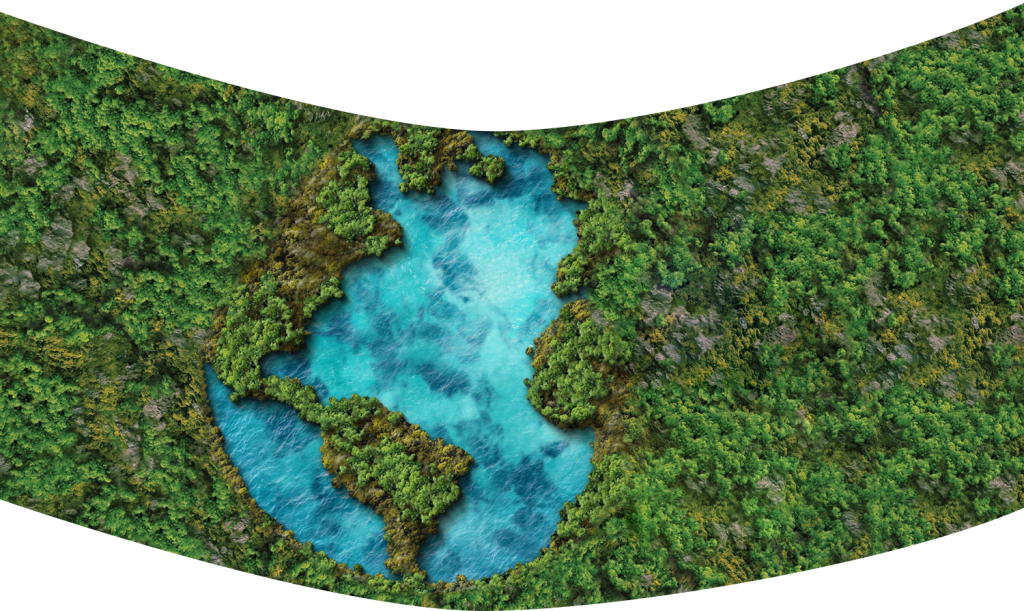
However, there is another perspective where some view nature as a delicately interconnected web of life, suggesting holism, where we are merely a strand in this intricate network. This view fosters a symbiotic relationship with nature, where the health of one component directly influences the health of the entire community. This is the prevailing view of many Indigenous cultures which still steward significant amounts of the world’s biodiversity.
A very necessary shift in worldview is required to one rooted in respect, gratitude and humility. This might well be informed by adopting philosophical and Indigenous approaches, and some would describe this movement as an expansion of consciousness.
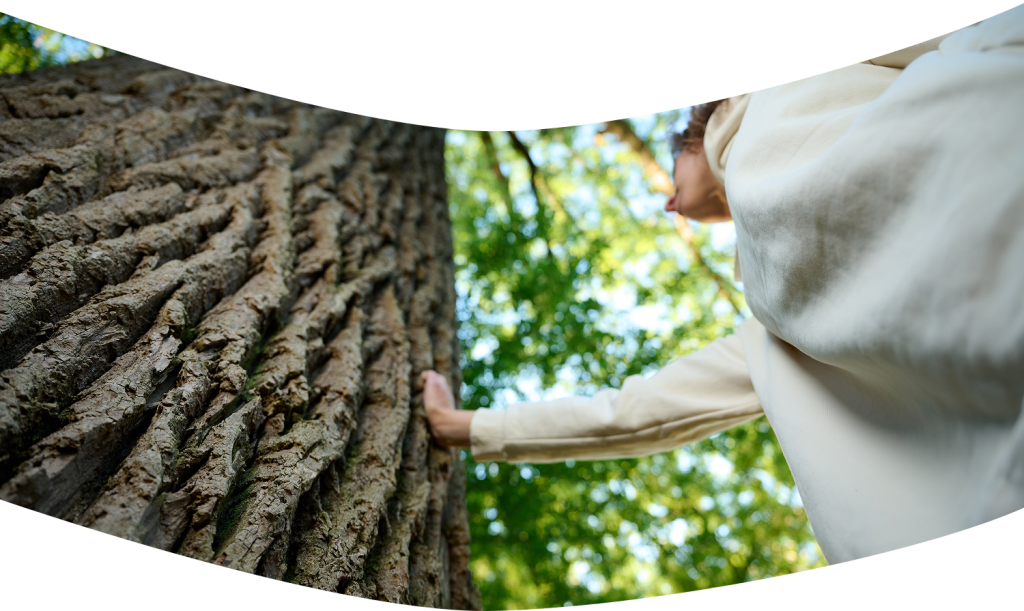
The essence of Indigenous philosophy might be captured by three themes:
First, the reverence for Gaia, Pachamama or Mother Earth. The belief that the planet is not merely a system of inter-connecting biophysical processes, but that there is something spiritual or divine about our planet. There are profound rituals and practices which honour the Earth and her seasons and cycles.
Second, there is sanctity to all life and all the creatures that inhabit it, from the worm in the earth to the soaring eagle in the sky. In fact, all of the Creator’s creatures are even considered kin in many traditions.Third, the great importance placed on living beyond the present time with generations before and in the future being considered – especially the ancestors. The ancestors are deeply honoured and respected and their stories contain much wisdom. The Oltomi Toltec leader and Staff Holder of the Council of the Eagle and the Condor, Mindahi Bastida, wrote “our ancestors have passed down dances, rituals and popular songs to enrich our identity”.
Indigenous philosophy and even science is just starting to be taken seriously – from best-selling books such as Sand Talk and Braiding Sweetgrass to 7 Generational Thinking. At Resilience Frontiers, we perceive that a new civilisation in 2070 will need to have such thinking at its heart. At the heart of tribes since antiquity was the fire. For the Celts, this was the Hearth – a word in which you can see both earth and heart, for both are essential. The Welsh word for hearth is aelwyd, and the centrality of the fire to family and tribal life is such that it is also synonymous with household. Around the fire, the stories and songs of the tribe are shared – not on apps like Netflix or Spotify. It is through these collective actions and prayers that knowledge is maintained and kept sacred.
In these chaotic times, we desperately need new stories and pathways to, and perhaps from, the future to keep alive the flame of human consciousness and create a new civilisation. This is aligned with the mission of Resilience Frontiers.“We are the reflection of the territory where we are born. What we call land is not just the land where we live, it’s the heart of the Earth; there is a heart in every mountain and river, in every desert and oasis, and that heart spreads beauty and love. That’s why we feel so connected. The ancestors are always around. They are entities and spirits that dwell in volcanoes, in mountains, in wetlands, in rivers, in the sea, and in sacred valleys. They are authorities that we address with reverence. We dedicate time listening to them so we can heal and recover strength to carry on. These personalities guide us and bring us consciousness about how we are co-evolving with Mother Earth and the universe, and understanding that identity is dynamic, not static.” (from “Ancestors: Divine Remembrances of Lineage, Relations and Sacred Sites (Common Sentience Book 6)” by Mindahi Bastida).